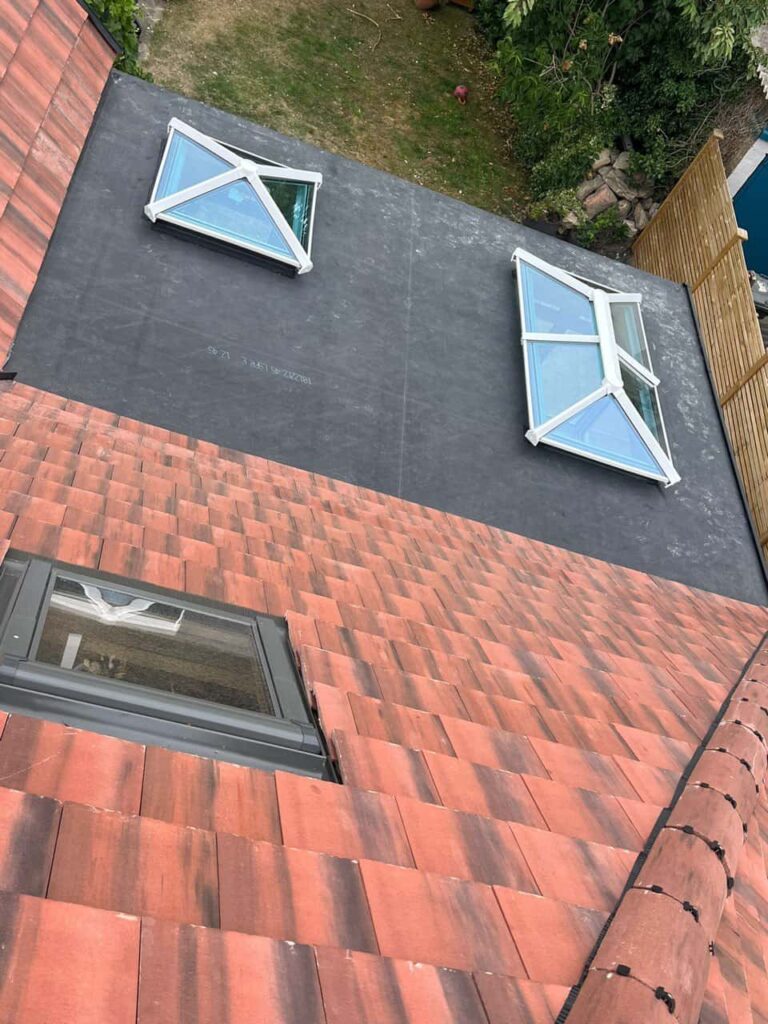
Every roof experiences gradual wear as it is exposed to rain, wind, temperature changes and seasonal weather. Individual tiles may weather, mortar can deteriorate and roof details can show signs of ageing without necessarily indicating that the entire roof is in poor condition.
The situation becomes more important when wear is no longer confined to one or two isolated areas. Similar defects appearing across different parts of the roof, recurring leaks or an increasing need for repairs can indicate that the overall roofing system is beginning to deteriorate.
For homeowners in Matlock, Derbyshire, recognising the difference between normal localised wear and broader roof deterioration can help ensure that problems are assessed at the appropriate stage.
How Can You Tell When Roof Wear Is Becoming More Widespread?
The most useful indicator is usually the pattern of deterioration rather than one particular defect.
A single damaged tile within an otherwise sound roof may require only a straightforward repair. If numerous tiles are showing similar deterioration, flashing is becoming unreliable and several areas have needed attention, the roof should be considered more comprehensively.
A professional assessment can establish whether individual problems remain separate or whether they collectively indicate declining overall condition.
Similar Problems Are Appearing in Several Areas
When the same type of deterioration develops across different roof slopes, it can indicate that materials are ageing at a similar rate.
For example, one weathered tile may be an isolated defect. Finding widespread cracking, displacement or deterioration across numerous areas suggests something different.
This does not automatically mean that extensive work is required, but it does mean that concentrating solely on the most obvious defect may provide an incomplete understanding of the roof.
Examining the distribution of wear helps determine whether localised repairs remain appropriate.
Roof Repairs Are Becoming More Frequent
An occasional repair can be a normal part of maintaining a roof over its service life.
However, a noticeable increase in repair requirements can provide useful information about overall condition. If one section is repaired and another problem develops shortly afterwards elsewhere, the issue may no longer be purely localised.
The important question is whether each repair is restoring dependable performance or whether new weaknesses are continually developing around it.
When repairs become a regular occurrence, a broader roof assessment can help establish why.
Water Ingress Is No Longer Confined to One Location
Recurring leaks are particularly important when water begins appearing in different areas of the property.
A leak can sometimes be traced to one specific defect, such as damaged flashing or a displaced roofing material. When moisture appears in several locations, however, there may be multiple vulnerable areas allowing water through.
Water can also travel beneath the roof covering before becoming visible internally, so several damp patches do not always represent several separate leaks.
A systematic inspection is needed to understand the relationship between the internal symptoms and the external condition of the roof.
Several Roofing Components Are Deteriorating Together
A roof depends on more than its tiles or slates.
Flashing, valleys, ridges, verges, junctions and other details all contribute to keeping the building weather-resistant. If wear is developing across several of these components at approximately the same time, it can provide stronger evidence of general deterioration.
Repairing one detail may still be necessary, but the condition of adjoining components should also be considered.
Looking at the roof as a complete system helps prevent attention being directed towards one visible defect while other weaknesses remain unnoticed.
Previously Sound Areas Are Starting to Develop Defects
A change in the pattern of problems can be significant.
If a roof historically required attention in one particularly exposed area but defects now begin appearing across sections that previously performed reliably, its general condition may be changing.
This is particularly relevant when there has been no single event explaining the increase in problems.
Gradual deterioration across previously unaffected areas can indicate that roofing materials are reaching a similar stage of weathering.
Previous Repairs Remain Sound but New Problems Keep Developing
When a roof develops another problem after being repaired, homeowners may assume the earlier work has failed.
That is not always the case.
A previous repair may still be completely sound while the surrounding original roofing materials continue to age. If this happens repeatedly, the repaired sections can remain dependable while new defects emerge elsewhere.
This pattern can provide valuable information. It suggests that the issue may lie with the broader condition of the existing roof rather than the quality of one particular repair.
Weathered Roof Materials Are Becoming More Vulnerable
Roofing materials naturally change with age and exposure.
Surface weathering alone does not necessarily mean that a material has stopped performing effectively. The concern increases when weathering is accompanied by cracking, movement, loss of integrity or repeated defects.
The distinction between appearance and performance is important.
A roof may look aged while remaining serviceable, while another may show relatively subtle external changes but have several weaknesses affecting its ability to keep water out.
Professional assessment focuses on performance and condition rather than appearance alone.
Small Defects Are Beginning to Connect
Several minor defects can collectively create a more significant roofing problem.
A slightly deteriorated junction, several displaced tiles and ageing flashing may each appear manageable individually. When they occur together, however, they can create multiple opportunities for water ingress.
This is why broader deterioration is not always represented by one dramatic failure.
Sometimes the clearest warning sign is simply that an increasing number of smaller weaknesses are developing across the same roof.
The Roof No Longer Performs Consistently During Poor Weather
Changes in how a roof behaves during rainfall can provide useful clues.
A roof that previously remained dependable but begins developing occasional dampness during prolonged or wind-driven rain may have emerging vulnerable areas.
If these incidents become more frequent, or start occurring under less severe conditions, it can indicate that weather resistance is declining.
The circumstances surrounding leaks are therefore worth noting. They can help identify whether the problem is highly specific or reflects a wider change in roof performance.
Roof Age Should Be Considered Alongside Condition
An older roof does not automatically require major work simply because of its age.
Roofing materials can perform for different lengths of time depending on their type, installation, exposure and maintenance history. The actual condition of the roof is more useful than age alone when deciding what attention it needs.
However, when an ageing roof is also showing widespread wear, recurring leaks and increasing repair requirements, those factors together become more significant.
It is the combination of age and declining performance that deserves closer assessment.
When Is a Localised Roof Repair Still Appropriate?
Wider assessment does not automatically lead to extensive roofing work.
A professional inspection may confirm that the majority of the roof remains in good condition and that deterioration is genuinely confined to one area. In this situation, a targeted repair can still be the appropriate response.
The purpose of examining the wider roof is to make that decision with greater confidence.
Where surrounding materials remain dependable, unnecessary intervention can be avoided while the actual defect receives the attention it requires.
When Should the Whole Roof Be Assessed?
A broader roof assessment becomes particularly valuable when there is a pattern rather than one isolated symptom.
Reasons to consider a more comprehensive inspection include:
- Problems developing across several roof areas
- Increasingly frequent repairs
- Recurring or multiple leaks
- Widespread deterioration of tiles or slates
- Several roof details showing wear
- New defects appearing around previous repair areas
- Noticeable changes in performance during rainfall
These signs do not determine what work will be necessary. Instead, they indicate that the roof should be understood as a complete system before further decisions are made.
Why Accurate Assessment Matters Before Further Repairs
Effective roofing work begins with understanding why deterioration is occurring.
Continually repairing the most visible defect can be appropriate when problems are genuinely isolated. If deterioration is becoming widespread, however, repeatedly treating individual symptoms may not provide a clear picture of the roof’s overall reliability.
A detailed assessment allows the condition of different areas to be compared and helps determine whether targeted repairs are likely to restore dependable performance.
This provides a stronger basis for deciding what work is actually appropriate.
Professional Roof Assessment in Matlock
General roof wear can be difficult to judge from ground level, particularly when deterioration develops gradually.
At Matlock Roofing Repairs, we assess roofing problems in Matlock, Derbyshire, with attention to both the immediate defect and the condition of surrounding roof areas. This helps establish whether the issue is localised or forms part of a wider pattern of deterioration.
Our focus is on identifying the cause and extent of the problem so that any recommended roofing work is appropriate to the roof’s actual condition.
Conclusion
General roof wear becomes a greater concern when deterioration starts appearing across multiple areas, repairs become increasingly frequent or the roof no longer provides consistent protection during poor weather.
No single sign automatically means that the entire roof has significantly deteriorated. The pattern of defects, condition of different roofing components and history of recurring problems provide a much clearer indication.
If your roof in Matlock, Derbyshire, is showing increasing signs of wear and you are unsure whether the problems remain localised, Matlock Roofing Repairs can carry out a professional assessment. Contact our team to arrange an inspection and determine the most appropriate approach for your roof.
Call us on: 01629 709 899
Click here to find out more about Matlock Roofing Repairs
Click here to complete our contact form and see how we can help with your roofing need.